


Explore Our Latest Releases.
Discover newly arrived spirituality books, wellness guides, tarot decks, oracle cards, and journals crafted to inspire and guide your journey. Each piece invites you to deepen your practice, awaken your spirit, and embrace new paths of insight.


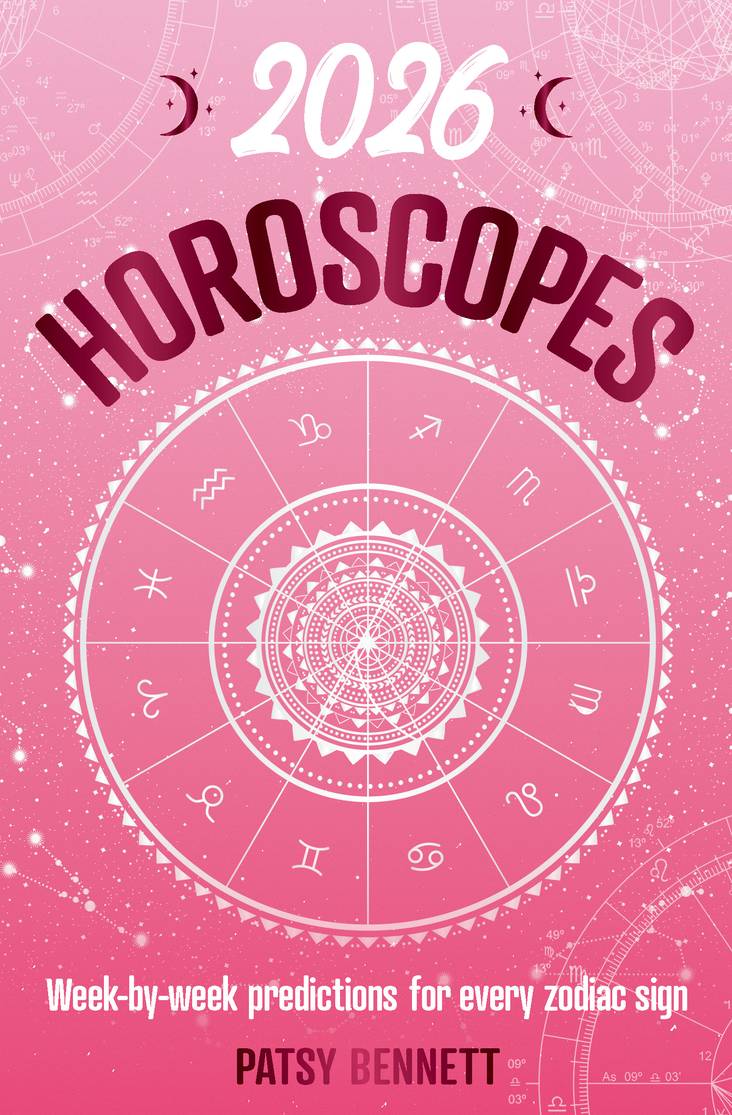


Let’s dive in ...
Whether you're seeking guidance, healing, or simply inspiration, each collection is designed to support your unique journey. Browse and discover your next spiritual companion today.



Rockpool blends ancient wisdom and modern artistry, creating meaningful books, cards and guides that inspire and transform your spiritual journey.


We’re pleased to announce that last week, the Rockpool Publishing website was awarded Silver at the Sydney Design Awards 2026.
Launched earlier in 2026, our new website has truly transformed how Rockpool Publishing is presented online, and now feels distinctly Rockpool. Created by the wonderful team at AEK Media, the site is highly engaging, visually appealing, and puts our titles at the heart of everything.
The Project Brief
When we first approached AEK Media, we felt our current website didn’t truly reflect the Rockpool brand or our products.
As a Mind Body Spirit publisher, we understand that our customers engage with our products differently than they might with a standard book. The very nature of our titles is that they encourage you to pick them up, shuffle the cards, thumb through the pages, dive into the meaning, and discover your own connection with them.
Our books, tarot decks and oracle cards are incredibly visual, enticing and designed to stand out on the shelf. We’re so proud of the products we produce, and of the gorgeous artwork, design, illustration and editing that goes into every single title. Our website needed the same care and craft.
We wanted our website to deliver the same feeling and atmosphere you get when you’re browsing through a bookstore, full of anticipation and excitement about what you’ll leave with.
While fun and enjoyable to browse, it also needed to clearly organise and share our products, so both first-time readers and seasoned practitioners could explore our range and new titles, and find exactly what they’re looking for.
The Website Renovation
We began working with AEK Media, a digital marketing agency based in Sydney. After many discussions about our vision and requirements, they began creating the website you see today.


While it hits the mark in displaying our products beautifully and leaning into the Mind Body Spirit category, the site as a whole feels fundamentally Rockpool.
Soft textures are everywhere, along with worn paper and shining gold elements. Floating plants and butterflies, and touches of nature, appear throughout the site. The blue paper, waved edges, and animations flow across the entire website, reminding us of our roots and the business’s love of water and the ocean.
AEK brought bespoke ideas to the table that have truly made our website feel one of a kind. For example, the tarot card selector on our homepage shares our new releases with shoppers in a fun, engaging way, encouraging them to interact with the site rather than simply scroll through a list of products.
Special Recognition
Today's website has created a new way for people around the world to explore the Rockpool brand and connect with our titles. It gives us a space to communicate our publishing, showcase our products, and offer our customers an enjoyable shopping experience where they can take their time finding just the right thing for them.
We’d like to extend our gratitude to AEK Media for their work on this project, and huge congratulations to them on winning Silver at the Sydney Design Awards!
It is thoroughly deserved, and we’re so proud and happy to have been part of this project.
If you’d like more details on the project, you can read the Better Future Awards project article here: A Store Built for Browsing, Not Searching.
Image credit: AEK Media
The meanings behind tarot cards are as unique and varied as the reasons people turn to them for guidance.
With 78 cards to a deck, Major and Minor Arcana cars, court cards, suits, symbols, spreads, and a unique meaning for every possible combination, where do you start?
Anyone can dip their toes into tarot, and as leading publishers of mind, body, and spirit books in Australia, we know the value of having the right tarot tools and guidebooks to understand your first reading, regardless of your experience.
In this beginner’s guide, we’ll explore what tarot is, how to read your cards, and what to look out for on your path to self-reflection.
What are tarot cards and how do they work?

Tarot cards are, at their core, a set of 78 cards used for reflection and guidance in our lives, emotions, relationships, and beyond.
The cards represent both everyday experiences and the external forces that work to shape our lives (or “archetypes”).
Tarot readers use them for a number of reasons, most often to:
- Gain insight into someone’s past, present, and future
- Seek guidance or clarity in the face of challenges
- Tap into spiritual wisdom
- Connect to higher selves and universal energies
There is no right or wrong way to read or connect with tarot cards, and most tarot readers follow systems of intuition, synchronicity, and symbolism.
Tarot is, most of all, a tool for guidance, not final answers.
While there are an ever-increasing number of tarot decks available, the core elements remain mostly the same, with only minor variations to the typical Major and Minor Arcana inclusions depending on deck style and theme.
Understanding tarot card structure: Major vs Minor Arcana

The 78 cards of a tarot deck can be divided into two main categories, Major Arcana and Minor Arcana.
Major Arcana cards
Major Arcana cards are some of the most well-known cards in the tarot world, and include the 22 named cards in the deck.
Cards of the Major Arcana symbolise significant life lessons, universal themes, spiritual growth, and major turning points.
It’s widely believed that when a Major Arcana card is drawn in a reading, the situation or event at hand is one requiring close attention.
| Card | Tardrot meaning (upright) |
Tarot meaning (reversed) |
|---|---|---|
| The Fool | Beginnings, innocence, spontaneity | Recklessness, risk, reservation |
| The Magician | Manifestation, resourcefulness, power | Manipulation, cunning, wasted talent |
| The High Priestess | Intuition, subconscious, mystery | Hidden motive, confusion, secrets |
| The Empress | Nature, beauty, femininity | Dependence, creative block, smothering |
| The Emperor | Authority, structure, control | Rigidity, domination, tyranny |
| The Hierophant | Tradition, morality, ethics | Rebellion, subversiveness, freedom |
| The Lovers | Union, love, choice | Imbalance, disharmony, misaligned values |
| The Chariot | Willpower, success, control | Opposition, aggression, lack of direction |
| Strength | Courage, compassion, focus | Weakness, insecurity, self-doubt |
| The Hermit | Reflection, contemplation, inner guidance | Loneliness, isolation, withdrawal |
| Wheel of Fortune | Cycles, destiny, turning point | Bad luck, breaking cycles, no control |
| Justice | Balance, clarity, truth | Dishonesty, unfairness, unaccountability |
| The Hanged Man | Surrender, pause, new perspective | Delays, resistance, indecision |
| Death | Transformation, endings, change | Fear of change, stagnation, decay |
| Temperance | Harmony, patience, moderation | Imbalance, excess, extremes |
| The Devil | Temptation, addiction, playfulness | Freedom, release, detachment |
| The Tower | Upheaval, chaos, pride | Averting disaster, fear of change, personal transformation |
| The Star | Hope, renewal, purpose | Despair, disconnect, insecurity |
| The Moon | Mystery, anxiety, subconscious | Confusion, fear, misinterpretation |
| The Sun | Vitality, success, positivity | Negativity, sadness, inner child |
| Judgement | Awakening, rebirth, reckoning | Doubt, inner critic, self-loathing |
| The World | Completion, fulfillment, harmony | Incompletion, shortcuts, delays |
Minor Arcana cards
The Minor Arcana of tarot has 56 cards, and often resembles a traditional deck of playing cards, with four suits representing different aspects of life.
Each suit of the Minor Arcana contains cards numbered Ace through 10, as well as four court cards: King, Queen, Knight, and Page.
The Minor Arcana provides context for the broader themes represented by the Major Arcana, offering readers deeper insight into the role larger forces play in our lives.
| Suit | Element | Theme |
|---|---|---|
| Wands | Fire | Creativity, willpower, passion, inspiration, ambition |
| Cups | Water | Emotions, relationships, intuition |
| Swords | Air | Thoughts, intellect, challenges, conflict, communication |
| Pentacles | Pentacles | Material aspects, career, finances, stability, the physical world |
How to read tarot cards

Whether you’re hoping a tarot reading will provide clarity on a personal or professional endeavour, a relationship, or your emotional state, it can help to have one question – or clear intention – in mind before you begin.
This question helps to focus the reading, which will usually unfold as:
- Shuffling – your tarot reader will shuffle the deck to disperse the energy of the cards throughout
- Drawing – your tarot reader will draw cards and lay them out in a specific pattern, known as a spread, to represent different aspects of your answer (a common starter spread features past, present, and future)
- Interpreting – your tarot reader reviews the position of the cards, their symbolism, and their own intuition to share the story, message, or answer the cards are offering
- Closing – it’s common to conclude a tarot reading with a moment of reflection and gratitude for the message shared through the cards
As a general rule of thumb, Major Arcana cards provide the theme of a reading and the big picture details.
Minor Arcana cards give the detail and the context, portraying how the Major Arcana’s theme is playing out in your life.
Court cards add another layer of depth to a reading, representing the people in your life, or aspects and energies within yourself to explore.
Many tarot readers lean on their own intuition when it comes to interpreting the meaning of the cards.
Each card has its own traditional meaning and symbolism, but the way it reveals itself in a spread – and the cards it appears with – can offer deep insights, and sometimes even change its message.
Popular tarot spreads and layouts

A tarot spread is the layout of cards used in a card reading, and each position in a spread has its own meaning.
While anyone can create a custom spread to suit their reading style, there are a few common spreads to keep in mind, especially if you’re just beginning your tarot journey:
| Spread | Layout | Meaning | Best for |
|---|---|---|---|
| One-card draw | One card | Focus | Quick insight, daily mindfulness |
| Three-card spread | Three cards side by side | Past, present, and future | General advice, quick clarity |
| Horseshoe | Seven cards forming a “U” | Influence, challenge, action, and outcome | Exploring specific situations (relationships, careers, etc.) |
| Celtic Cross | 10 cards in cross formation | Situation (centre cross) and external factors (vertical staff) | Deeper insight, problem analysis |
Understanding common tarot card images and symbolism

One of the most recognised features of tarot is the highly detailed artwork present on every card.
The art shapes the story, and the elements within each illustrated scene can help tarot readers to understand the insights and messages the cards are sharing.
Some symbolism is obvious, like a pillar for support or the moon for femininity, but other common images require some deeper interpretation – and a little intuition.
| Image | Symbolism |
|---|---|
| Angels | Inspiration, attention to detail |
| Birds | Messenger, inspiration |
| Blindfold | Unclear vision, hidden truths |
| Bridges | Transition, a way out |
| Cadeceus | Balance, health |
| Cat | Intuition, mystery |
| Dog | Loyalty, truth |
| Flag | Major change, attention |
| Flowers | Renewal, beauty |
| Globe | Personal and outer world |
| Grapes | Fertility, abundance |
| Hammer | Task completion, forced end |
| Infinity | Cycle, infinity |
| Keys | Knowledge, opportunity |
| Moon | Feminity, time passing |
| Ocean | Possibility, movement |
| Pillar | Balance, support |
| Rain | Sadness, cleansing |
| Ship | Journey, transformation |
| Sun | Masculine energy, joy |
| Tree | Shelter, strength |
| Wreath | Victory, triumph |
Tarot readings for beginners

With 78 cards to pull from, your first tarot reading can be an overwhelming experience.
Tarot reading, like any skill, can be developed with time and practice, but that doesn’t mean you can’t still gain something from your very first reading, too.
If you’re new to the world of tarot, or just picking up your first deck in a long time, there are a few simple steps you can take to ease in, avoid easy mistakes, and build your confidence from the first reading:
-
Start small – don’t overdo it, a classic three-card spread of past, present and future is a strong starting point for any tarot reader
-
Form connections – take time to familiarise yourself with the imagery of each card and the feelings they inspire before you try to unravel their complex, interwoven interpretations
-
Keep a journal – after each reading, and especially your first, reflect on your experience and relationship with the cards (and their messages) in a diary or spiritual journal
-
Build a foundation – many suggest starting with the Major Arcana, immersing yourself in the meanings and symbolisms of the 22 archetypes before diving into the Minor Arcana
-
Ask open questions – don’t go looking for yes or no answers immediately, instead trust your intuition and follow the journey the cards are guiding you on
-
Take your time – learn the card meanings and practice tarot spreads at your own pace, finding the method that feels right for you
How tarot readings can help
While many turn to tarot in search of answers and guidance, particularly when facing challenges in their everyday lives, tarot cards also provide an opportunity for self-discovery, reflection, growth, and more:
-
Clarity – if you’re feeling uncertain, tarot can offer a unique perspective on the decisions and complexities in front of you
-
Emotional healing – tarot can help you recognise and release the turbulent feelings within you, and any patterns of behaviour you may be unaware of
-
Empowerment – tarot readings can remind you of the power you hold over your own future, setting you up to make those all-important, life-changing decisions
-
Guidance – for many, tarot provides a deep sense of connection to themselves, the universe, and spirituality
-
Self-awareness – tarot cards reflect your inner self, as well as your personal strengths and weaknesses, so you can better understand the impact of your actions across past, present, and future
Start your tarot journey with Rockpool Publishing
Whether you’re a beginner searching for your first tarot deck or a seasoned reader looking to expand your set, our curated collection of unique, handcrafted tarot cards and decks can help guide your spiritual practice from the first reading.
As trusted spiritual publishers, we believe in premium quality and inclusivity regardless of experience.
Shop our Australian tarot cards for local delivery, or shop our US tarot cards if you're ordering from overseas.
If you run a retail store or gift shop, we also offer wholesale pricing for USA retailers, with bulk discounts applied automatically at checkout.
Every Rockpool Publishing deck includes a detailed guide to tarot card meanings, created with expert care and insight from experienced readers and authors, to empower everyone – even complete beginners – on their journey to self-discovery.
If you are interested in learning more about tarot or would like to explore some card decks available today, our monthly newsletter is full of spiritual insight and new releases. You can sign up here.
The beautiful images used in this blog are from Tarot Card Companion, by Victoria Maxwell.
Embracing Magic and Intuition with Oracle of the Witch: A Spiritual Guide
Introducing Oracle of the Witch
Oracle of the Witch: Reclaim Your Birthright is a 44-card oracle deck created by UK author and practitioner Flavia Kate Peters in collaboration with Barbara Meiklejohn-Free and illustrated by Mira Nurdianti.
What Makes This Deck Unique
This deck stands out for intertwining spiritual insight with the archetypes and traditions of witchcraft. Each card comes with:
- A Message: A core meaning or guidance that speaks to daily life, spiritual reflection or meditation.
- Incantation Rhyme: A short, evocative phrase that helps you embody or call in the energy of the card.
- Light and Shadow Interpretations: Dual perspectives that support seeing both opportunities and challenges inherent in a theme.
- Witchery Wisdom: Tips, historical context, folk magic suggestions or gentle exercises related to the card’s subject.
The deck is accompanied by a 144-page guidebook that expands on these elements, offering context, suggestions and rituals that help you build a deeper, more informed connection with the cards.
How Oracle of the Witch Supports Your Spiritual Journey
Whether you identify as a witch, a spiritual seeker, a divination enthusiast or someone simply intrigued by archetypal symbolism, this deck can be a nurturing companion. Here’s how:

1. Creating Daily Ritual and Intention
An oracle practice can transform a rushed morning into a mindful ritual. Drawing a card each day invites you to set an intention or focus for the hours ahead. With its magical messages and incantations, Oracle of the Witch encourages you to greet your inner world with curiosity rather than judgment.
2. Exploring Inner Light and Shadow
One of the rich aspects of this deck is its invitation to explore both “light” and “shadow” sides of themes. Rather than offering only uplifting messages, it encourages honest self reflection that recognises challenges, patterns or limitations you may be navigating. This pushes your spiritual growth beyond surface positivity into authentic transformation.
3. Learning Through Witchcraft Symbolism
For those drawn to earth-based spirituality, folk magic and ancestral practices, this deck is grounded in the lore and symbolism of witchcraft—the old ways of working with nature, intention and ritual. Whether you are already familiar with these traditions or simply drawn to them, the cards can expand your understanding through layered meaning and historical context.
Practical Ways to Use Your Deck
Here are some beginner-friendly methods to work with Oracle of the Witch:
Single Card Pull
A simple yet powerful practice. Draw one card in the morning and journal about its message. How does it relate to your intentions for the day? What inner guidance might it offer?
Three-Card Spread
Use this classic method to represent past, present and future influences. It can also be adapted to reflect mind, body and spirit or challenge, guidance and outcome.
Meditative Focus
Choose a card that resonates with something at the forefront of your life. Use its imagery as a meditation anchor. Breathe with the symbol, let it open doors in your imagination and notice the subtle insights that arise.
All of these approaches encourage playfulness and curiosity—the heart of any spiritual practice.
Tips for Deepening Your Practice
- Create a dedicated reading space: A cushion, candle or natural object can help your mind shift into reflection and reverence.
- Keep a journal: Capture the cards you draw and what they mean to you. Over time, you’ll see themes emerge that reflect your inner evolution.
- Combine with ritual: A simple invocation or breathwork before and after readings can enhance focus and connection.
Final Thoughts: A Path for Every Seeker
Oracle of the Witch is more than a deck—it is an invitation to slow down, listen deeply and reclaim a sense of spiritual agency. Whether you’re new to oracle cards or have been exploring spiritual tools for years, it offers a meaningful bridge between intuition, narrative and ancient wisdom. At its heart, this deck encourages you to trust your inner knowing and find your own voice in the unfolding story of your spiritual path.
If you're interested in learning more about the deck, check out Claire Duval's video review on it here.
Introducing Oracle of the Witch
Oracle of the Witch: Reclaim Your Birthright is a 44-card oracle deck created by UK author and practitioner Flavia Kate Peters in collaboration with Barbara Meiklejohn-Free and illustrated by Mira Nurdianti.
What Makes This Deck Unique
This deck stands out for intertwining spiritual insight with the archetypes and traditions of witchcraft. Each card comes with:
- A Message: A core meaning or guidance that speaks to daily life, spiritual reflection or meditation.
- Incantation Rhyme: A short, evocative phrase that helps you embody or call in the energy of the card.
- Light and Shadow Interpretations: Dual perspectives that support seeing both opportunities and challenges inherent in a theme.
- Witchery Wisdom: Tips, historical context, folk magic suggestions or gentle exercises related to the card’s subject.
The deck is accompanied by a 144-page guidebook that expands on these elements, offering context, suggestions and rituals that help you build a deeper, more informed connection with the cards.
How Oracle of the Witch Supports Your Spiritual Journey
Whether you identify as a witch, a spiritual seeker, a divination enthusiast or someone simply intrigued by archetypal symbolism, this deck can be a nurturing companion. Here’s how:
1. Creating Daily Ritual and Intention
An oracle practice can transform a rushed morning into a mindful ritual. Drawing a card each day invites you to set an intention or focus for the hours ahead. With its magical messages and incantations, Oracle of the Witch encourages you to greet your inner world with curiosity rather than judgment.
2. Exploring Inner Light and Shadow
One of the rich aspects of this deck is its invitation to explore both “light” and “shadow” sides of themes. Rather than offering only uplifting messages, it encourages honest self reflection that recognises challenges, patterns or limitations you may be navigating. This pushes your spiritual growth beyond surface positivity into authentic transformation.
3. Learning Through Witchcraft Symbolism
For those drawn to earth-based spirituality, folk magic and ancestral practices, this deck is grounded in the lore and symbolism of witchcraft—the old ways of working with nature, intention and ritual. Whether you are already familiar with these traditions or simply drawn to them, the cards can expand your understanding through layered meaning and historical context.
Practical Ways to Use Your Deck
Here are some beginner-friendly methods to work with Oracle of the Witch:
Single Card Pull
A simple yet powerful practice. Draw one card in the morning and journal about its message. How does it relate to your intentions for the day? What inner guidance might it offer?
Three-Card Spread
Use this classic method to represent past, present and future influences. It can also be adapted to reflect mind, body and spirit or challenge, guidance and outcome.
Meditative Focus
Choose a card that resonates with something at the forefront of your life. Use its imagery as a meditation anchor. Breathe with the symbol, let it open doors in your imagination and notice the subtle insights that arise.
All of these approaches encourage playfulness and curiosity—the heart of any spiritual practice.
Tips for Deepening Your Practice
- Create a dedicated reading space: A cushion, candle or natural object can help your mind shift into reflection and reverence.
- Keep a journal: Capture the cards you draw and what they mean to you. Over time, you’ll see themes emerge that reflect your inner evolution.
- Combine with ritual: A simple invocation or breathwork before and after readings can enhance focus and connection.
Final Thoughts: A Path for Every Seeker
Oracle of the Witch is more than a deck—it is an invitation to slow down, listen deeply and reclaim a sense of spiritual agency. Whether you’re new to oracle cards or have been exploring spiritual tools for years, it offers a meaningful bridge between intuition, narrative and ancient wisdom. At its heart, this deck encourages you to trust your inner knowing and find your own voice in the unfolding story of your spiritual path.
If you're interested in learning more about the deck, check out Claire Duval's video review on it here.
Seasons of the Witch: Mabon Oracle, by Lorraine Anderson and Juliet Diaz
Musing Mystical - A Gathering Place for Magical Readers and Writers
Seasons of the Witch: Mabon Oracle by Lorraine Anderson and Juliet Diaz is a captivating addition to the Season of the Witch series, particularly for those who are drawn to the spiritual and mystical aspects of autumn. Filled with fall foliage and scenes of the harvest season, the card in this deck encapsulates the bountiful feelings of this season
The authors describe in their introduction how the cards in this deck “prioritize spiritual self-care, specifically care around establishing boundaries, surrendering to changes and letting go of what no longer serves.”1
This focus of shedding the old and nurturing oneself reminds me of the trees during the autumn season, dropping their leaves and going inward to make it through the dark winter season. There’s even “Falling leaves spread” the authors share too, along with other ones such as “Molasses spread” and “Maple tree spread”.
The full review by Musing Mystical is available to read online.

Seasons of the Witch Mabon
Mabon is a celebration of the Earth, embodying balance, equality, and harmony. As the wheel of the year comes full circle, it’s the perfect opportunity to set intentions, release any lingering tension, and establish fresh personal goals.
This elegantly designed book and card deck set includes 44 oracle cards, each serving as a source of spiritual insight rooted in ancient Mabon traditions, aimed at helping you uncover answers to your most profound questions.
Unlike previous decks in the series, this collection emphasizes intuitive messages rather than invocations. These insights illuminate each card's deeper significance, making it an ideal choice for beginners eager to enhance their intuitive reading skills.
The cards resonate with your energy, guiding you to unlock your inner wisdom with the assistance of powerful spiritual forces. Alongside insightful meanings, each card features impactful word spells to channel its energy and send your intentions for spiritual well-being out into the universe.
The Seasons of the Witch Mabon oracle deck is available to buy online or from your local bookstore.
Musing Mystical - A Gathering Place for Magical Readers and Writers
Seasons of the Witch: Mabon Oracle by Lorraine Anderson and Juliet Diaz is a captivating addition to the Season of the Witch series, particularly for those who are drawn to the spiritual and mystical aspects of autumn. Filled with fall foliage and scenes of the harvest season, the card in this deck encapsulates the bountiful feelings of this season
The authors describe in their introduction how the cards in this deck “prioritize spiritual self-care, specifically care around establishing boundaries, surrendering to changes and letting go of what no longer serves.”1
This focus of shedding the old and nurturing oneself reminds me of the trees during the autumn season, dropping their leaves and going inward to make it through the dark winter season. There’s even “Falling leaves spread” the authors share too, along with other ones such as “Molasses spread” and “Maple tree spread”.
The full review by Musing Mystical is available to read online.
Seasons of the Witch Mabon
Mabon is a celebration of the Earth, embodying balance, equality, and harmony. As the wheel of the year comes full circle, it’s the perfect opportunity to set intentions, release any lingering tension, and establish fresh personal goals.
This elegantly designed book and card deck set includes 44 oracle cards, each serving as a source of spiritual insight rooted in ancient Mabon traditions, aimed at helping you uncover answers to your most profound questions.
Unlike previous decks in the series, this collection emphasizes intuitive messages rather than invocations. These insights illuminate each card's deeper significance, making it an ideal choice for beginners eager to enhance their intuitive reading skills.
The cards resonate with your energy, guiding you to unlock your inner wisdom with the assistance of powerful spiritual forces. Alongside insightful meanings, each card features impactful word spells to channel its energy and send your intentions for spiritual well-being out into the universe.
The Seasons of the Witch Mabon oracle deck is available to buy online or from your local bookstore.

